The Oklahoma Onion Smash Burger is more than just a meal; it is a masterclass in the Maillard reaction. Originating during the Great Depression as a way to stretch expensive beef with cheap onions, this burger has evolved into a cult classic sought after by every serious backyard griller. The magic lies in the alchemy between high heat, thin-shaved white onions, and high-fat beef.
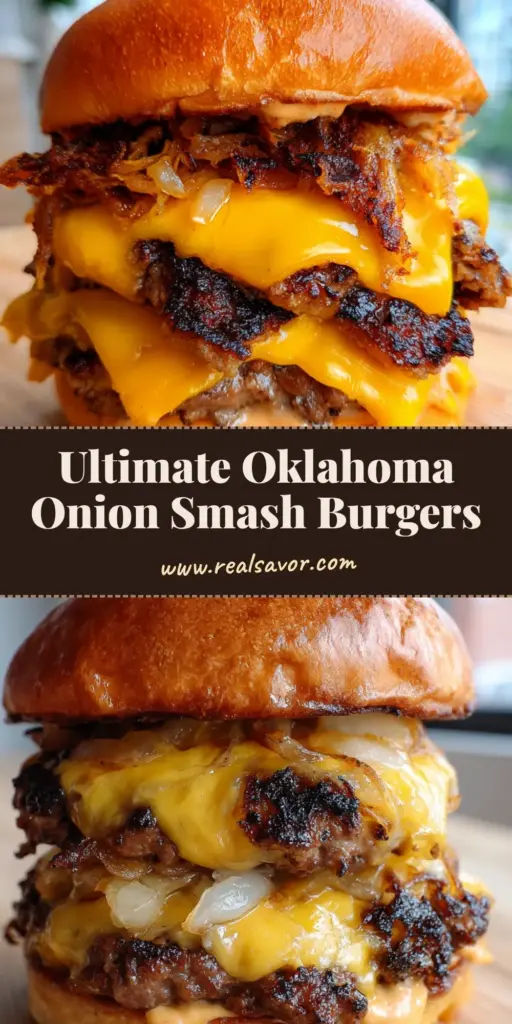
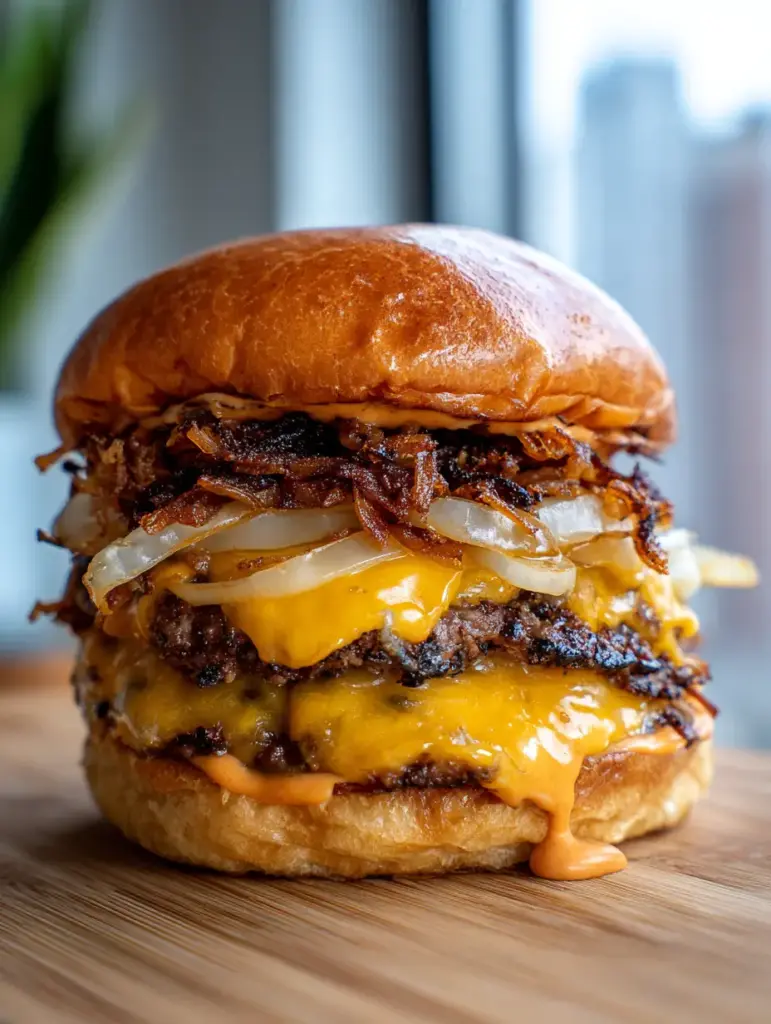
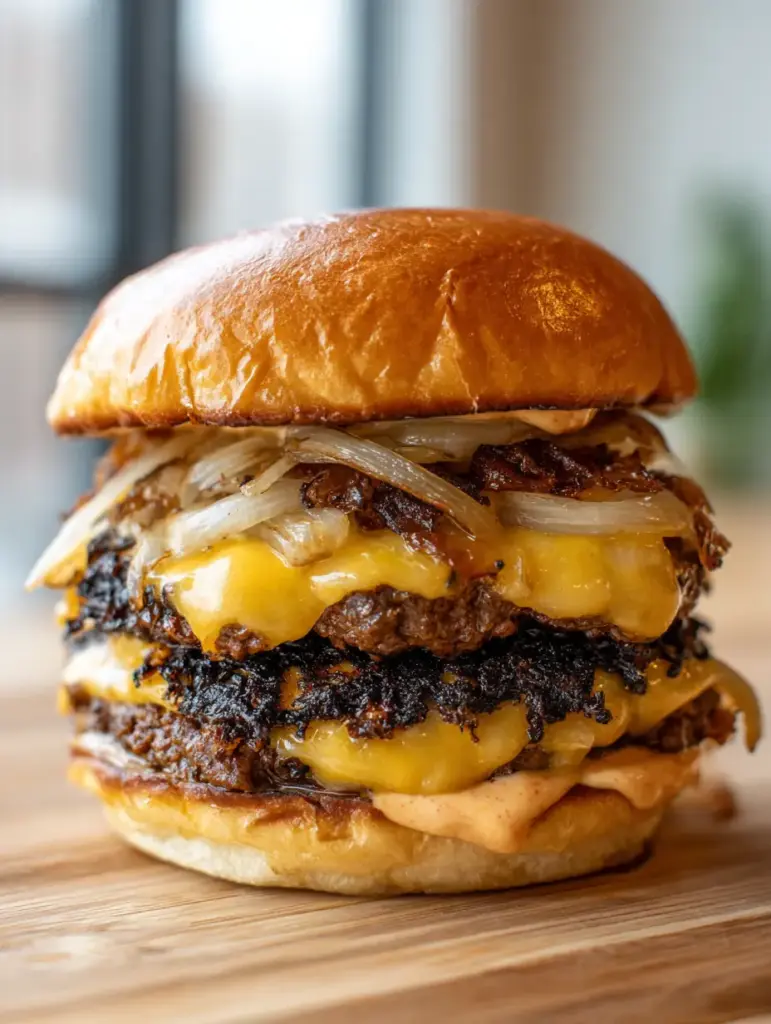
Imagine biting into a stack of two thin beef patties boasting jagged, crispy, charred lace-like edges that shatter with every bite. The translucent white onions are pressed directly into the meat, becoming deeply caramelized and blackened in spots, providing a sweet-and-savory contrast to the salty crust. It is all held together by melted, gooey yellow American cheese and a toasted golden-brown brioche bun.
In this guide, we are going to dive deep into the forensic details of the Oklahoma Onion Smash Burger. We will cover the specific equipment you need, the science of the “smash,” and how to achieve that signature pale orange burger sauce that brings the whole experience together. If you are looking for a burger that prioritizes texture above all else, you have found it.
The Anatomy of a Perfectly Smashed Burger Experience
- The Lace-Like Crust: Achieving those jagged, charred edges requires specific heat management and a heavy-duty press.
- Deep Onion Caramelization: By shaving the onions paper-thin, they cook at the exact same rate as the beef, fusing into the patty.
- Gooey Structural Integrity: Melted American cheese acts as the “culinary glue” that holds the double-stacked patties together.
- The Contrast of the Bun: A glossy, toasted brioche bun provides a soft, buttery cloud to balance the intense crunch of the meat.
The Essential Components of a Perfect Oklahoma Onion Smash Burger
Success starts with the right materials. To replicate the visual result of deeply caramelized onions and blackened beef edges, you cannot cut corners on your ingredient selection.
80/20 Ground Chuck: You need exactly 1 lb (450g) of high-fat beef. The fat is what renders out to fry the edges of the patty, creating that “lace” effect you see in the photos.
Paper-Thin White Onions: Use 1 large (300g) white onion, shaved almost translucent. Shaving them thin ensures they soften and sweeten instantly rather than staying raw and crunchy.
Yellow American Cheese: 4 to 8 slices (80-160g) are necessary for that classic melt. No other cheese provides the same gooey, draped texture over the hot patties.
Brioche Buns: 4 high-quality buns (approx. 240g) with a glossy top. The sugar content in brioche allows it to toast to a perfect golden-brown in seconds.
The Secret Orange Burger Sauce: A blend of 1/2 cup (120ml) mayonnaise, 1 tbsp (15g) yellow mustard, 1 tbsp (15g) ketchup, and a dash of smoked paprika. This creates the pale orange hue and the tangy profile required to cut through the rich fat.
Invisible Essentials: Don’t forget 1 tsp (6g) Kosher salt and 1/2 tsp (1g) black pepper for seasoning, plus 1 tbsp (15ml) of high-smoke point oil for the initial sear. If you’re looking for other ways to use beef, check out our slow cooker beef brisket for a different kind of tender.
Tools for Achieving the Forensic Visual Result
To get the Oklahoma Onion Smash Burger looking like a professional smartphone photo, you need the right heavy-duty tools. A standard spatula simply won’t have the leverage required for a true smash.
You will need a well-seasoned Cast Iron Skillet or a flat-top griddle. Cast iron holds the thermal mass needed to char the meat without the temperature dropping when the cold beef hits the pan. A heavy-duty Burger Press or a stiff, unslotted metal spatula is also non-negotiable.
For the onions, a Mandoline Slicer is your best friend. It is the only way to get the onions translucent enough to fuse into the meat fibers. Finally, have a piece of parchment paper handy to place between the press and the meat to prevent sticking during the initial smash.
How to Prep Your Ingredients for Maximum Flavor
Shaving the Onions for Instant Caramelization
Peel your white onion and cut it in half from pole to pole. Use the mandoline to shave the onion into paper-thin slices. You should be able to see through them; this allows them to cook through in the 2 minutes the burger is on the heat.
Portioning the Beef for the Double Stack
Divide your 1 lb (450g) of beef into 8 small balls, roughly 2 oz (55g) each. Do not overwork the meat or pack it tightly. A loose ball allows for more surface area and more “lace” edges when you eventually press it down into the hot iron.
Step-by-Step Instructions for the Perfect Smash
Step 1: The Bun Toasting Ritual
Set your skillet to medium heat. Spread a thin layer of butter or mayo on the cut sides of your brioche buns. Place them face down until they are golden-brown and toasted. Set them aside—toasted buns are structurally essential to keep the pale orange sauce from soaking through.
Step 2: The High-Heat Introduction
Turn the heat up to medium-high until the skillet is wispy with smoke. Lightly coat the surface with your neutral oil. Place two beef balls into the pan, leaving plenty of space between them. Immediately top each ball with a generous handful of the shaved onions.
Step 3: The Definitive Smash
Place a square of parchment paper over the onions. Using your heavy press, smash the beef down with significant force until the patty is very thin—less than 1/4 inch (0.6cm). The onions should be driven deep into the raw meat. Hold the pressure for 10 seconds to ensure the crust begins to form immediately.
Step 4: Developing the Lace and Char
Season the back of the patty with Kosher salt and pepper. Let it cook undisturbed for about 2 minutes. You are looking for a visual cue: the edges of the patty should look dry, jagged, and dark brown. If you lift an edge, the onions should be blackened in spots, signaling deep caramelization.
Step 5: The Flip and Cheese Melt
Scrape under the patty with a sharp spatula to ensure you keep all that “lace” crust attached. Flip the burger so the onions are now face-down against the hot metal. Immediately place a slice of American cheese on top. The heat from the onions will steam and melt the cheese into a gooey drape in about 45 seconds.
Step 6: The Final Stack
Place one patty on top of the other to create a double stack. Smear a tablespoon of the pale orange burger sauce on the bottom bun. Lift the double stack and place it on the bun, letting the juices mingle with the sauce. Close the burger with the glossy top bun.
Expert Tips for Success
- Avoid Lean Beef: If you use 90/10 beef, the burger will be dry and won’t develop those crispy, lace-like edges. The fat is the frying agent!
- Cold Beef, Hot Pan: Keep your beef balls in the fridge until the very moment they hit the skillet. This helps the exterior char before the interior overcooks.
- The Scrape is Key: Use a heavy-duty bench scraper or a sharpened spatula. If you don’t scrape hard enough, the best part of the crust stays stuck to the pan.
- Mandoline Safety: Always use a guard when slicing your onions. To get them thin enough for that translucent look, you’ll be working close to the blade.
Creative Pairings and Serving Suggestions
The Oklahoma Onion Smash Burger is a heavy, savory experience that pairs beautifully with bright or salty sides. For a classic burger joint feel, serve these alongside extra crispy homemade onion rings.
If you want to cut through the richness of the American cheese and beef fat, a vinegar-based side like our Mexican street corn salad or a refreshing Mediterranean pasta salad provides the perfect acid balance. For those who love the smash technique but want a poultry twist, try these dill pickle ranch smash chicken tacos.
Storage and Reheating Advice
Smash burgers are best enjoyed immediately to preserve the “lace” texture of the edges. However, if you have leftovers, store the patties and buns separately. Keep the beef in an airtight container in the fridge for up to 3 days.
To reheat, avoid the microwave as it will make the meat rubbery. Instead, place the patties in a dry skillet over medium heat for 2 minutes per side. This helps re-crisp the edges. Re-toast the buns in a toaster oven for the best results.
Frequently Asked Questions
You can, but red onions have a different sugar structure and may burn or become bitter before they properly caramelize into the beef fibers compared to white or yellow onions.
While a dedicated heavy-duty burger press is best, you can use a stiff metal spatula. The key is applying enough even pressure to make the patty translucent at the edges.
White onions are traditional because they have a high moisture content and a sharp bite that sweetens perfectly when caramelized against the high heat of the beef.
The pale orange color comes from the specific ratio of mayonnaise to ketchup and mustard, enhanced by a small amount of smoked paprika for color and depth.
This is usually caused by either a skillet that isn’t hot enough or using beef with a fat content lower than 20%. The fat must render out and fry the edges of the meat to create that texture.
The Ultimate Oklahoma Onion Smash Burger Recipe Card
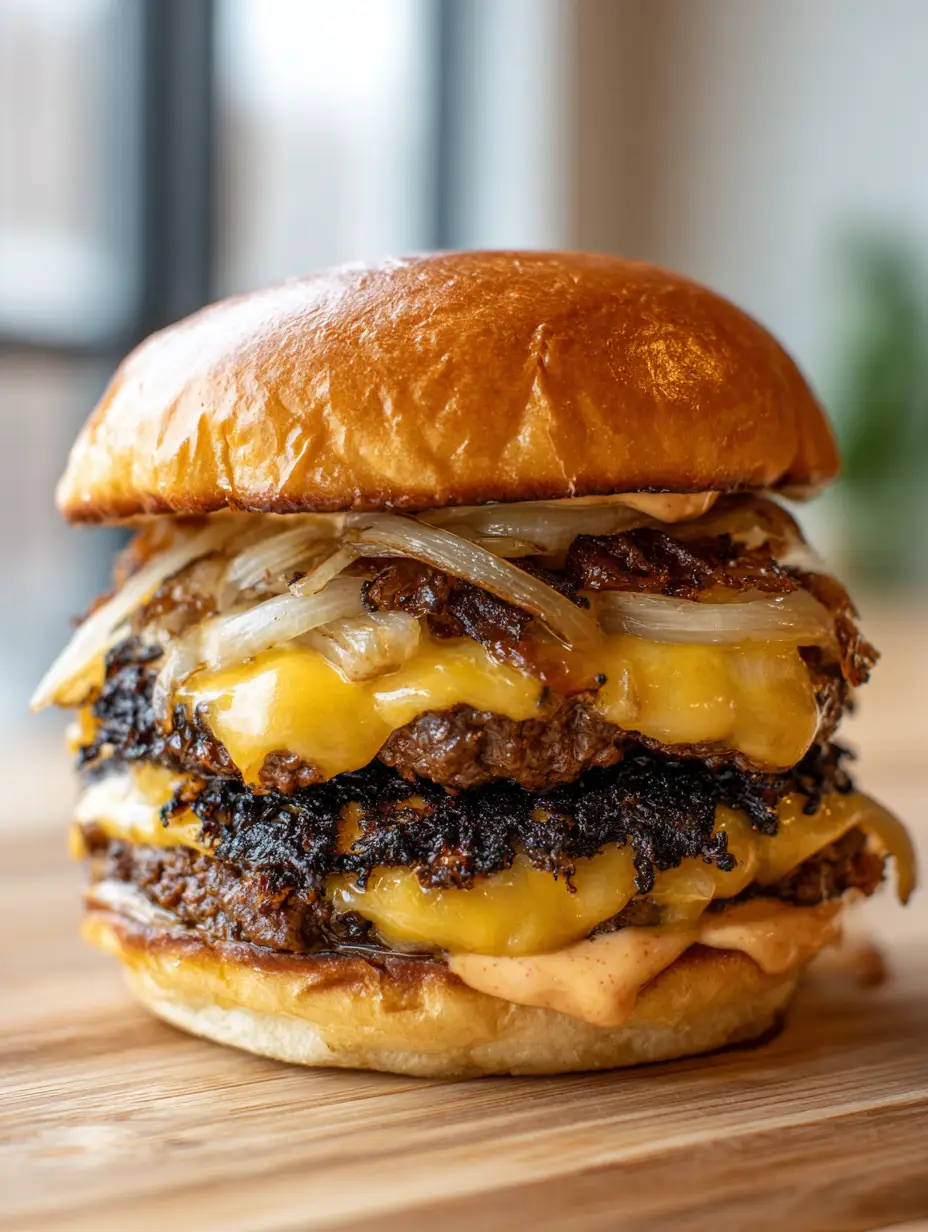
Oklahoma Onion Smash Burger: The Ultimate Guide to Crispy Lace Edges
Ingredients
Equipment
Method
- Butter the brioche buns and toast in a medium skillet until golden-brown and glossy.
- Using a mandoline, slice the white onion into translucent, paper-thin rounds.
- Place beef balls on a smoking hot cast iron skillet. Top with onions. Use a press to smash them extremely thin into the pan.
- Once edges are charred and lacy, scrape and flip. Add American cheese and stack patties once melted.
Notes
Ensure the skillet is ripping hot before adding the meat.
Share Your Burger Masterpiece!
Nothing beats the satisfaction of seeing those charred, crispy edges on a burger you made at home. This Oklahoma Onion Smash Burger is a crowd-pleaser that looks just as good as it tastes. We want to see your results! Did you get those onions perfectly translucent?
If you enjoyed this deep dive into burger forensics, please leave a comment below and let us know your favorite burger topping. Don’t forget to sign up for our newsletter for more technical recipe guides and share this post with your fellow grill masters on Pinterest!