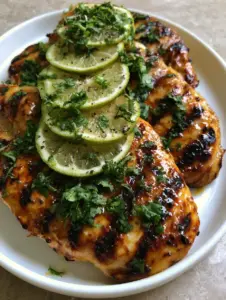
There is a specific, mouthwatering magic that happens when high-heat flames meet the bright, citrusy notes of the Mediterranean. This Greek Grilled Chicken isn’t just another weekday meal; it is a sensory experience designed to transport your kitchen to a sun-drenched taverna overlooking the Aegean Sea.
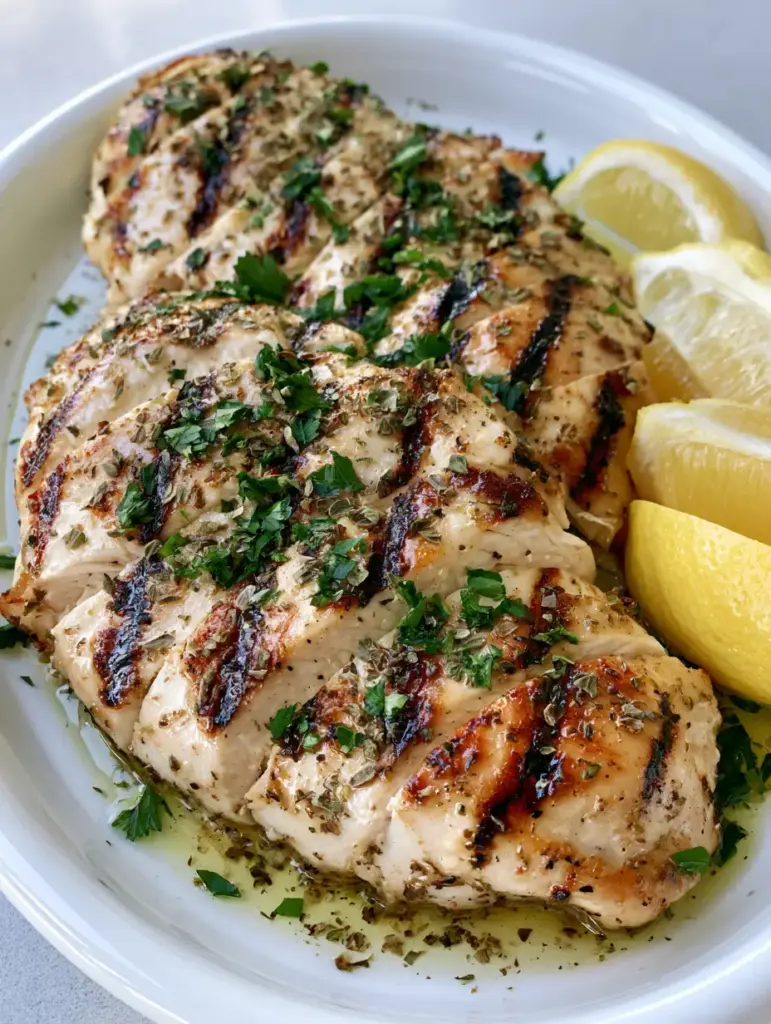
Imagine slicing into a perfectly charred chicken breast, the knife gliding through a glistening, herb-infused crust to reveal remarkably moist meat beneath. The aroma of toasted dried oregano and fresh lemon zest fills the air, promising a flavor profile that is as bold as it is refreshing.
We have meticulously engineered this recipe to mirror the professional aesthetic of high-end food photography. Every step is calculated to produce those iconic cross-hatched grill marks and that signature glistening finish that makes your plate look like a professional handheld smartphone photo from a luxury travel blog.
The Secrets Behind This Visual Mediterranean Masterpiece
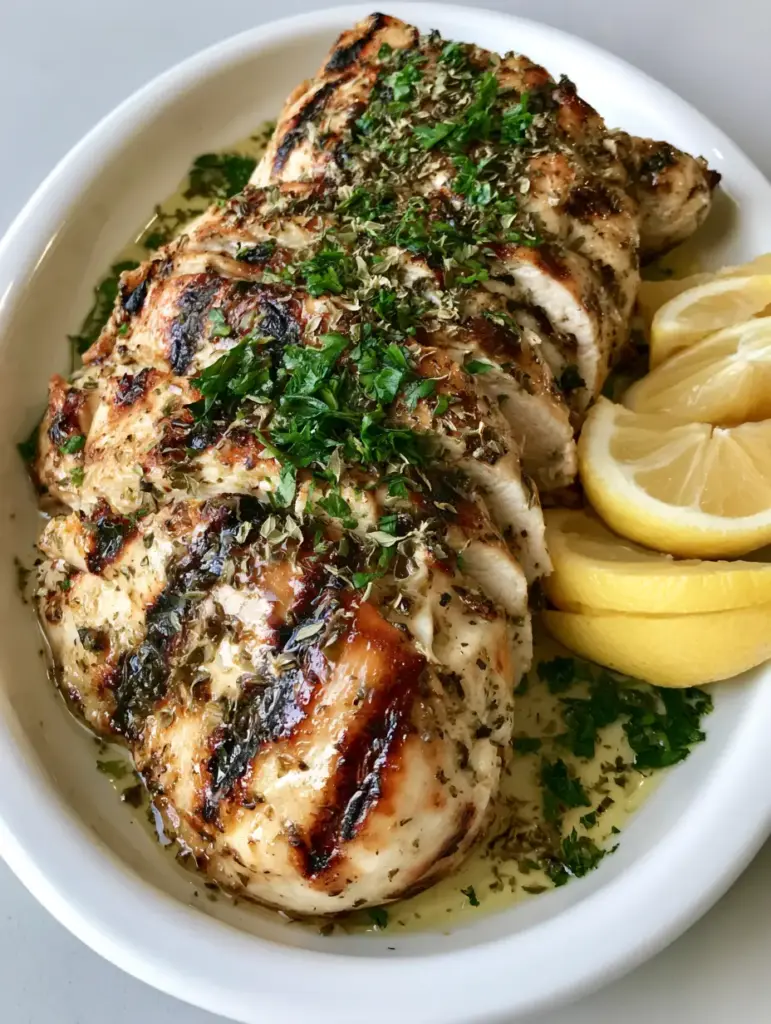
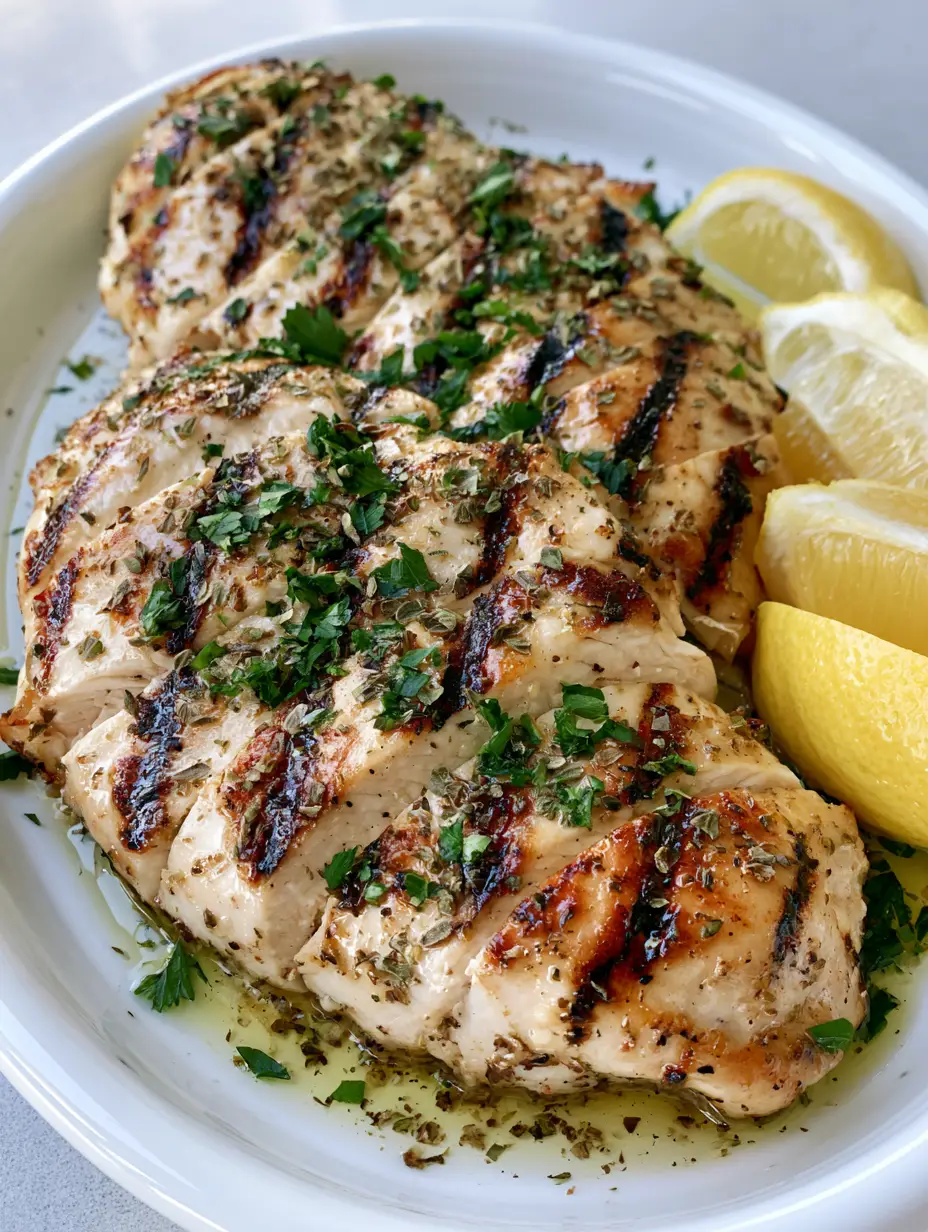
To achieve the result seen in our visual blueprint—featuring dark, cross-hatched grill marks and a thin layer of herb-infused oil—we focus on three culinary pillars: moisture retention, Maillard-reaction precision, and the post-grill “glisten” technique.
- The Glistening Surface: We don’t just marinade; we finish the chicken with a secondary citrus-herb emulsion to create that moist, light-reflecting glow.
- Foundational Char: By utilizing a high-smoke point oil and precise temperature control, we ensure deep, dark grill marks without drying out the interior protein.
- Aromatic Texture: The heavy scatter of dried oregano flakes and freshly chopped parsley provides a textural contrast against the smooth, seared surface of the chicken.
- Citrus Saturation: Fresh lemon wedges aren’t just a garnish; they provide the immediate acidity needed to cut through the rich, herb-infused olive oil.
The Ultimate Mediterranean Pantry List
Every ingredient in this Greek Grilled Chicken has been selected for its ability to contribute to both the structural integrity of the dish and its forensic visual accuracy.
Chicken Breasts: We use 1.5 lbs (680g) of boneless, skinless chicken breasts, pounded to an even 3/4-inch thickness. This ensures the chicken cooks at a uniform rate, preventing the edges from drying out before the center is safe to eat.
Herb-Infused Olive Oil: You will need 1/2 cup (120ml) of high-quality extra virgin olive oil. This acts as the lipid carrier for the aromatics, ensuring the herbs penetrate the meat rather than just sitting on the surface.
Fresh Lemon Juice: 1/4 cup (60ml) of freshly squeezed lemon juice is critical. The citric acid tenderizes the muscle fibers while providing the bright “zing” characteristic of authentic Greek cuisine.
Dried Oregano: 2 tbsp (6g) of dried Greek oregano provides a more intense, earthy flavor than fresh oregano. It withstands the high heat of the grill better, contributing to the dark, herb-flecked crust.
Fresh Parsley: 1/4 cup (15g) of finely chopped fresh flat-leaf parsley is added at the very end. This provides the vibrant green “scatter” that contrasts beautifully against the charred meat.
Garlic: 4 cloves (20g) of minced garlic. Garlic provides the foundational aromatic base that balances the high acidity of the lemon juice.
Kosher Salt & Cracked Black Pepper: 1 tsp (6g) salt and 1/2 tsp (2g) pepper. These “invisible” ingredients are scientifically required to draw moisture into the cells via osmosis and enhance the natural savory notes of the poultry.
High-Smoke Point Oil: 1 tbsp (15ml) of avocado or grapeseed oil for the grill grates. This prevents sticking and ensures those cross-hatched marks remain intact when you flip the meat.
Essential Culinary Tools for Professional Results
To recreate the “visual recipe blueprint” perfectly, you will need a few specific tools that help manage heat and texture.
A heavy-duty outdoor grill or a cast-iron grill pan is essential for achieving the dark, cross-hatched marks. The thermal mass of cast iron allows for consistent heat recovery when the cold meat hits the surface.
A meat mallet or rolling pin is required to pound the chicken to a uniform thickness. Without this, your Greek Grilled Chicken will be overcooked on the thin ends and raw in the thick middle.
Finally, a digital instant-read thermometer is your best friend. To maintain that “moist, glistening surface,” we must pull the chicken at exactly 160°F (71°C) and let carryover cooking bring it to the food-safe 165°F (74°C).
Step-by-Step Evolution of the Perfect Greek Chicken
Phase 1: The Acid-Lipid Marinade
In a medium glass bowl, whisk together the 1/2 cup (120ml) olive oil, 1/4 cup (60ml) lemon juice, minced garlic, and 1 tbsp (3g) of the dried oregano. Reserve the remaining oregano and parsley for the final garnish.
Place your pounded chicken breasts into a gallon-sized resealable bag and pour the marinade over them. Massage the bag to ensure every inch of the protein is coated, then refrigerate for at least 30 minutes, but no longer than 4 hours.
Allowing the chicken to marinate for too long can cause the lemon juice to “cook” the meat, resulting in a rubbery texture. We want a tender bite, not ceviche-style poultry!
Phase 2: Preparing the Heat Surface
Preheat your grill to medium-high heat, roughly 400°F (204°C). Clean the grates thoroughly with a wire brush; any leftover residue from previous meals will ruin the clean lines of your grill marks.
Dip a folded paper towel in your high-smoke point oil and, using tongs, rub it over the hot grates. This creates a non-stick patina that is vital for the “forensic visual accuracy” of the cross-hatched pattern.
Phase 3: The Art of the Cross-Hatch
Remove the chicken from the marinade, letting the excess oil drip off. Place the chicken on the grill at a 45-degree angle to the grates. Close the lid and do not touch it for 3-4 minutes.
Rotate the chicken 90 degrees (keep it on the same side) and grill for another 3 minutes. This creates the “diamond” or cross-hatch pattern seen in the Midjourney prompt.
Flip the chicken and cook for another 5-7 minutes until the internal temperature reaches 160°F (71°C). You should hear a consistent sizzle—this is the sound of the fats rendering and the sugars caramelizing.
Phase 4: The Resting and Finishing Touch
Transfer the chicken to a white ceramic platter. This is a critical step: let the meat rest for 5-8 minutes. Resting allows the juices to redistribute, ensuring that “moist, glistening surface” when you slice into it.
While the meat rests, whisk together a “finishing oil” using 2 tbsp (30ml) of fresh olive oil and 1 tbsp (15ml) of lemon juice. Drizzle this over the chicken so it sits in a visible, thin layer of herb-infused citrus juice.
Slice the chicken into thick strips and arrange them on the platter. Heavily garnish with the remaining dried oregano and the scatter of fresh parsley. Surround the meat with bright yellow lemon wedges as per the visual blueprint.
Expert Tips for the Ultimate Greek Grilled Chicken
- The Temperature Sweet Spot: Always use room-temperature chicken. Taking the chill off the meat before it hits the grill prevents the exterior from burning before the interior is done.
- The “No-Peek” Rule: For those dark, defined grill marks, resist the urge to move the chicken. The meat will naturally “release” from the grates once a proper crust has formed.
- Lemon Selection: Use Meyer lemons if available. They are slightly sweeter and more aromatic, adding a sophisticated layer to the herb-infused oil.
- Salt Timing: Don’t salt the marinade too early if you plan on marinating for 4+ hours, as it can start to cure the meat. Add the bulk of your salt right before the chicken hits the grill.
Savoring the Leftovers: Storage and Reheating
If you have leftover Greek Grilled Chicken, store it in an airtight container in the refrigerator for up to 4 days. To maintain the glistening texture, store it with the extra finishing oil and juices.
When reheating, avoid the microwave, which can turn the chicken rubbery. Instead, place the slices in a cold pan with a splash of water or chicken broth, cover with a lid, and heat over medium-low until just warmed through.
You can also freeze the grilled chicken for up to 3 months. Thaw it overnight in the refrigerator before following the reheating instructions above to preserve the structural integrity of the meat.
What to Serve With This Mediterranean Feast
To complete the Mediterranean experience, serve this chicken alongside a bowl of Authentic Greek Tzatziki for dipping. The cool cucumber and yogurt provide a perfect foil to the charred, citrusy chicken.
For a hearty lunch, slice the leftovers and build a Grilled Chicken Bacon Ciabatta or add them to a vibrant Thai Chickpea Salad for a fusion twist.
If you’re looking for a low-carb option, the bold flavors of this chicken pair exceptionally well with a Smash Burger Bowl style salad, replacing the beef with these Mediterranean slices.
And for those who love a flavor-packed topping, a dollop of Roasted Garlic Cowboy Butter melted over the hot chicken adds an incredible richness that complements the dried oregano perfectly.
Frequently Asked Questions
Yes! Chicken thighs are more forgiving due to higher fat content. Grill them to an internal temperature of 175°F (79°C) for the best texture.
Start with clean, oiled grates. Place the chicken at a 45-degree angle, cook for 3-4 minutes without moving, then rotate 90 degrees and cook for another 3 minutes before flipping.
The sweet spot is between 30 minutes and 4 hours. Marinating longer than 4 hours can cause the lemon juice to break down the protein fibers too much, resulting in a mushy texture.
Reheat gently in a pan over medium-low heat with a splash of water or broth and a lid to create steam, which preserves the moisture better than a microwave.
Chicken often dries out from overcooking or lack of resting. Use an instant-read thermometer to pull the chicken at 160°F and let it rest for 5-8 minutes so the juices can redistribute.
The Perfect Greek Grilled Chicken Recipe
Greek Grilled Chicken: The Ultimate Juicy Mediterranean Masterpiece
Ingredients
Equipment
Method
- Pound the chicken breasts to an even 3/4-inch (2cm) thickness using a meat mallet to ensure uniform cooking.
- Whisk olive oil, lemon juice, garlic, and 1 tbsp dried oregano. Coat chicken and refrigerate for 30 minutes to 4 hours.
- Heat the grill to 400°F (204°C). Oil the grates using a high-smoke point oil for a non-stick surface.
- Place chicken at a 45-degree angle. Grill 3-4 minutes, rotate 90 degrees, and grill 3 more minutes for cross-hatch marks.
- Flip the chicken and cook until the internal temperature reaches 160°F (71°C).
- Let the meat rest for 5-8 minutes on a white ceramic platter to allow juices to redistribute.
- Drizzle with fresh lemon juice and olive oil. Scatter heavily with remaining dried oregano and fresh parsley. Serve with lemon wedges.
Notes
Clean your grill grates thoroughly to ensure the cross-hatch marks look professional.
Bring the Taste of Greece to Your Table
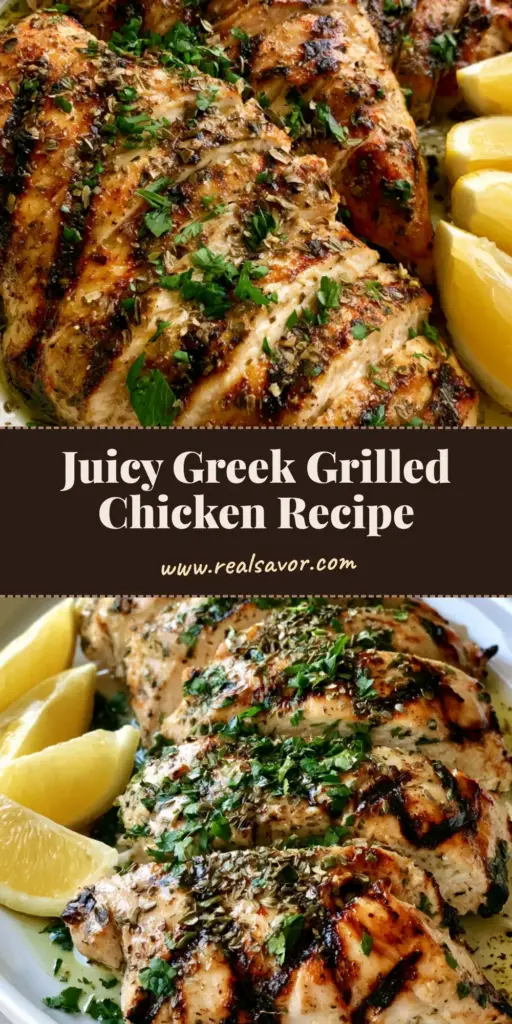
This Greek Grilled Chicken is a testament to the power of simple, high-quality ingredients handled with professional technique. By following our forensic visual guide, you’ve created a dish that is as beautiful as it is delicious, perfectly balancing charred savory notes with bright, citrusy acidity.
We would love to see your culinary creations! If you enjoyed the deep, herb-infused flavors of this recipe, please leave a comment below and share your results. Don’t forget to follow us and pin this recipe to your favorite boards on Pinterest so you always have it on hand for your next summer cookout.